


LED Video Wall Modules: Selection Criteria for B2B Projects
Selecting appropriate LED video wall modules is one of the most consequential decisions in a B2B display project. Module specifications directly determine image quality, installation feasibility, operational cost, and long-term reliability. Unlike off-the-shelf monitors, LED modules require detailed technical alignment with application requirements, site constraints, and budget parameters.
This comprehensive guide walks through key module selection criteria, helping B2B decision-makers navigate vendor datasheets, specification requests, and procurement decisions.
Pixel Pitch: The Foundation of Module Selection
Pixel pitch is the distance (in millimeters) between the centers of adjacent pixels. It directly affects image resolution at a given display size and viewing distance.
Common pixel pitch categories and applications:
- Ultra-fine (0.9-1.5mm): High-end command centers, control rooms, and close-range presentations. Ideal when viewers sit within 2-3 meters. High cost per square meter.
- Fine (1.5-2.5mm): Executive briefing centers, trading floors, high-end retail. Sweet spot for many B2B indoor installations with viewing distances of 3-5 meters.
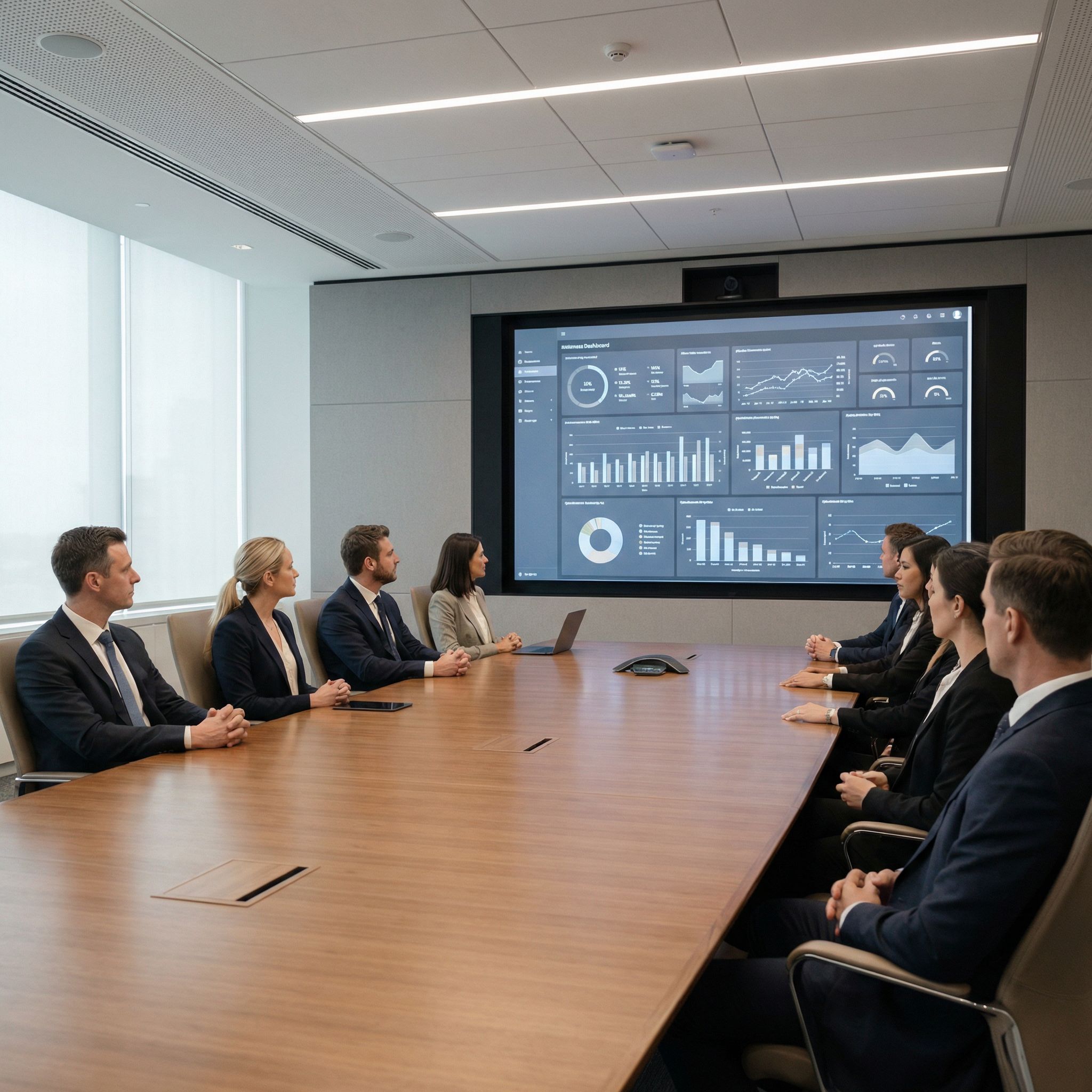
- Standard (2.5-4mm): Lobbies, conference rooms, large audience spaces. Viewing distances 4-8 meters. Best price-to-performance ratio for general corporate use.
- Large (4-6mm): Large atriums, stadium installations, outdoor or high-ceiling applications. Viewing distances 8+ meters.
Rule of thumb: Multiply pixel pitch by 1000 to estimate the minimum viewing distance in millimeters. A 2.5mm pitch display is most impactful when viewed from approximately 2.5 meters or farther.
Brightness and Luminosity
Brightness is measured in candelas per square meter (cd/m²) and determines visibility under various lighting conditions.
Typical brightness targets:
- Indoor, controlled lighting (offices, boardrooms): 600-800 cd/m²
- Indoor, standard office lighting: 800-1200 cd/m²
- Indoor, high ambient light (lobbies with skylights, retail): 1200-2000 cd/m²
- Outdoor or semi-outdoor: 3000-5000 cd/m² or higher
Higher brightness comes at a cost: increased power consumption, more heat generation, and higher module cost. Specify the minimum brightness needed for your environment, not the maximum available.
Refresh Rate and Flicker
Refresh rate is how often the display redraws the image, measured in Hertz (Hz). Common rates are 1920 Hz, 2400 Hz, and 3840 Hz.
Higher refresh rates reduce flicker, particularly noticeable in video recording and to viewers sensitive to flicker. For corporate presentations and broadcast scenarios, 2400 Hz or higher is standard. For static information displays, 1920 Hz is usually sufficient.
Motion artifacts: A high-quality module should exhibit minimal ghosting or banding when displaying moving content or color gradients.
Color Accuracy and Gamut
Color gamut refers to the range of colors a display can produce. Standard definitions include:
- sRGB: The baseline for web and office content. Most corporate content is created in sRGB.
- DCI-P3: A wider gamut used in cinema and professional video. Beneficial for brand-critical or high-end content.
- Rec. 2020: The theoretical gamut of modern broadcast standards, rarely fully achieved by LED modules.
Ensure module specifications include color gamut coverage and that the CMS/control system supports color calibration across the entire wall to maintain consistency.
Contrast Ratio and Black Levels
Contrast ratio is the difference between the brightest white and darkest black a display can produce. LED modules achieve contrast through:
- High brightness whites (as discussed above)
- Low black levels through the use of black masks on the module surface and improved light absorption
Modern indoor modules achieve contrast ratios of 5000:1 or better. For critical applications like command centers or design review, verify that the module's black level performance meets expectations under operational lighting.
Resolution and Module Dimensions
Module resolution (e.g., 128x96 pixels for a typical indoor module) combined with pixel pitch determines the physical size of each module. Standard modules come in a few common sizes:
- Compact (e.g., 320mm x 240mm): Suitable for flexible installations with tight spaces
- Standard (e.g., 500mm x 500mm or 640mm x 480mm): Most common; good balance of handling and image continuity
- Large (e.g., 1000mm x 1000mm): Reduces gap count, easier installation, but heavier and harder to handle
Smaller modules offer design flexibility and easier replacement; larger modules reduce seam visibility and installation complexity.
Input/Output Connectivity
Confirm module connectivity standards with your system integrator and CMS vendor:
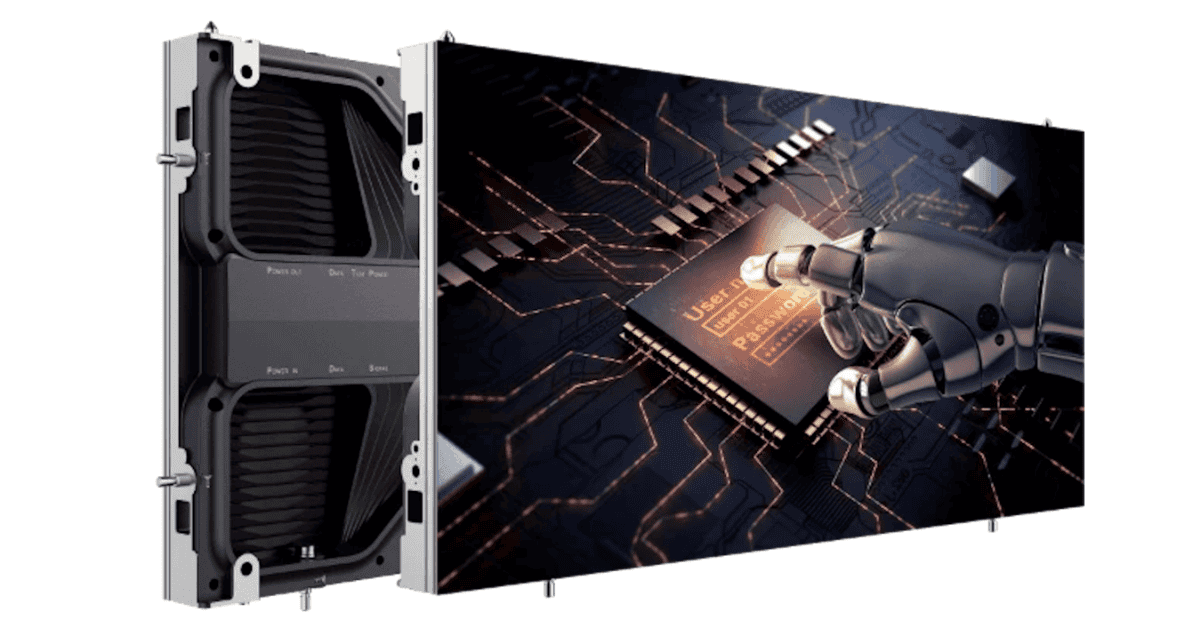
- Receiving cards: Standard interfaces are HDMI 2.1, DisplayPort 1.4, or proprietary high-speed connections
- Control and feedback: DMX, RJ45 Ethernet, or IP-based protocols for control and status monitoring
- Power redundancy: Verify that power feed options support dual-PSU configurations for mission-critical installations
Maintenance and Service Accessibility
Module accessibility is crucial for long-term operations. Consider:
- Front access vs. rear access: Front-serviceable modules allow replacement without dismounting the entire wall. Rear access is standard but requires careful planning.
- Hot-swap capability: Can modules be replaced while the rest of the display operates? This is a premium feature but valuable for 24/7 environments.
- Spare parts availability: Confirm the vendor commits to spare parts availability for at least 5-7 years post-installation
- Warranty and support: Standard warranties are 2-3 years; negotiate extended warranties and on-site support SLAs for critical deployments
Thermal and Power Characteristics
Power consumption per module directly impacts operational cost and HVAC planning. Typical ranges:
- Fine-pitch (1.5-2.5mm): 500-900W per m²
- Standard (2.5-4mm): 400-700W per m²
Heat generation requires proper ventilation. HVAC designers should account for LED display heat alongside other equipment. Climate-controlled server cabinets for power supplies and control electronics are often necessary.
Homogeneity and Uniformity
Brightness uniformity across the module should be within 95% or better. Manufacturing variations mean slight module-to-module differences; factory calibration and field adjustment minimize visible seams.
Color uniformity is equally important. Confirm that the vendor's quality control process includes color calibration data for each module batch.
Standards Compliance and Environmental Certifications
Specify compliance with:
- CE marking (European electrical safety)
- FCC certification (US EMC compliance)
- RoHS compliance (restriction of hazardous substances)
- Environmental ratings (IP rating for dust/moisture ingress if any exposure risk exists)
Vendor Evaluation and Procurement Checklist
- Request detailed module datasheets; cross-check specs with independent test data if available
- Request reference installations of comparable size and application
- Verify supply chain: long lead times can impact project timelines
- Confirm pricing is transparent (module cost, control cards, cabling, spare parts)
- Negotiate SLAs for response time and downtime targets
- Verify training and documentation are provided for internal operations teams
- Include performance guarantees in the contract (brightness after 1000 hours, color accuracy after 2 years, etc.)
Cost Considerations
Module cost per square meter varies significantly by pixel pitch:
- Ultra-fine (0.9-1.5mm): $3,000-6,000/m²
- Fine (1.5-2.5mm): $1,500-3,000/m²
- Standard (2.5-4mm): $800-1,500/m²
- Large (4-6mm): $500-1,000/m²
These are hardware costs only; add integration, installation, and ongoing support to determine total project cost.
Conclusion
Selecting LED video wall modules requires balancing pixel pitch, brightness, color accuracy, service accessibility, and budget against application requirements and site constraints. By aligning module specifications with detailed use cases—viewing distance, ambient lighting, content type, uptime requirements, and long-term maintenance plans—B2B organizations ensure their display investment delivers value and reliability for years to come.