.png)



Maintenance of Control Room Video Walls: B2B Guide
In control rooms, the video wall contributes to whether situation images, alarms, and KPI displays can be reliably interpreted—or whether errors slip unnoticed into decisions. For decision-makers, maintenance is not an afterthought but a core operational requirement: How is failure prevented? What is the maintenance schedule? When should components be replaced? How are costs distributed over the asset lifecycle?
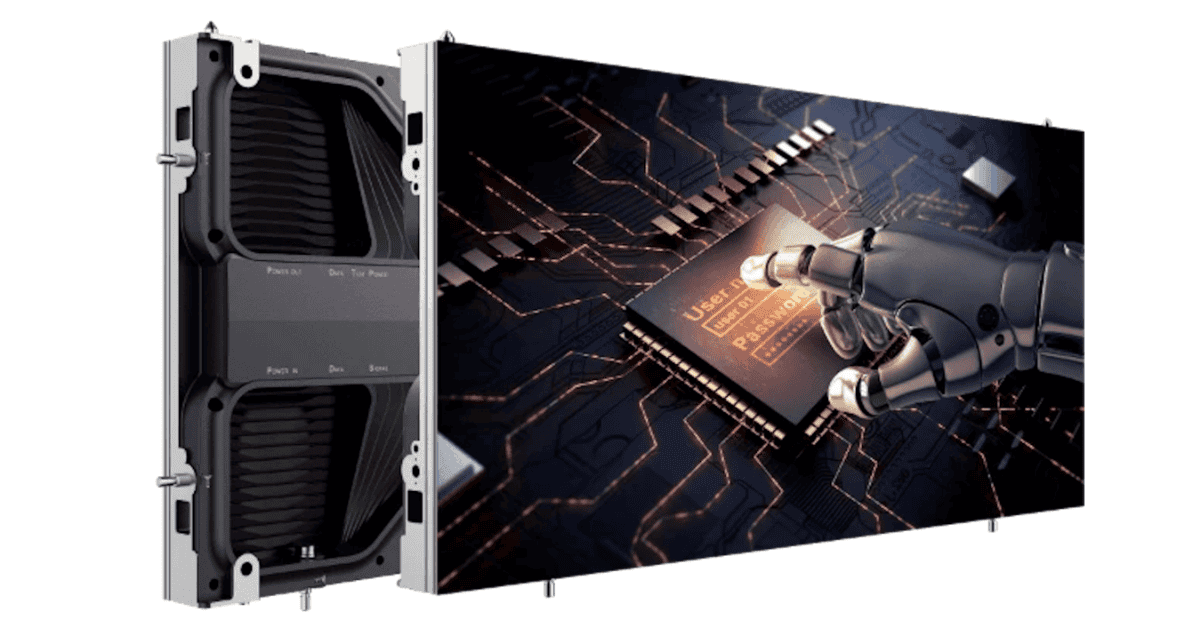
The investment in a high-performance LED wall is secured only through systematic maintenance. Predictive maintenance, condition monitoring, and planned replacement intervals reduce unplanned downtime and avoid cascading failures. This article addresses the B2B perspective: maintenance strategy, cost models, and best practices for reliable control room display operation.
Why Maintenance Determines Service Life and Availability
LED walls and display systems operate in continuous duty. Unlike office displays that are used 8 hours daily, control room video walls often run 24/7 for years. Heat accumulation, component aging, and cumulative environmental stress reduce reliability over time.
Without systematic maintenance:
- LED brightness degrades gradually—operators miss critical information
- Power supplies and cooling systems fail without warning
- Signal routing equipment develops latency or intermittent faults
- Dead pixels and color drift go undetected until critical failures occur
Planned maintenance prevents these failure modes. The alternative—reactive maintenance—is far more expensive: emergency service calls, extended downtime, and the operational risk of incomplete situation awareness during critical events.